Cernunnos, the ancient Celtic god known as the Horned God, is a fascinating figure in mythology. His symbols have captivated many for centuries. Cernunnos represents nature, fertility, animals, and the cycle of life. In this post, we will explore the meaning and history of Cernunnos symbols, providing insights into their significance and how they have influenced culture. Cernunnos is a common deity figure in both Wicca and Traditional Witchcraft.
Cernunnos Symbols
Cernunnos is often depicted with antlers or horns, highlighting his connection to the natural world. These symbols represent various aspects of life, such as fertility, vitality, and the duality of life and death. His imagery can be found in numerous cultures, ranging from ancient Celtic art to modern witchcraft practices.
Cernunnos' symbols also often include animals, particularly stags and serpents. The stag symbolizes strength and virility, while the serpent can represent wisdom and transformation. Together, these symbols provide a deep insight into the balance of life and the interconnectedness of all living beings.
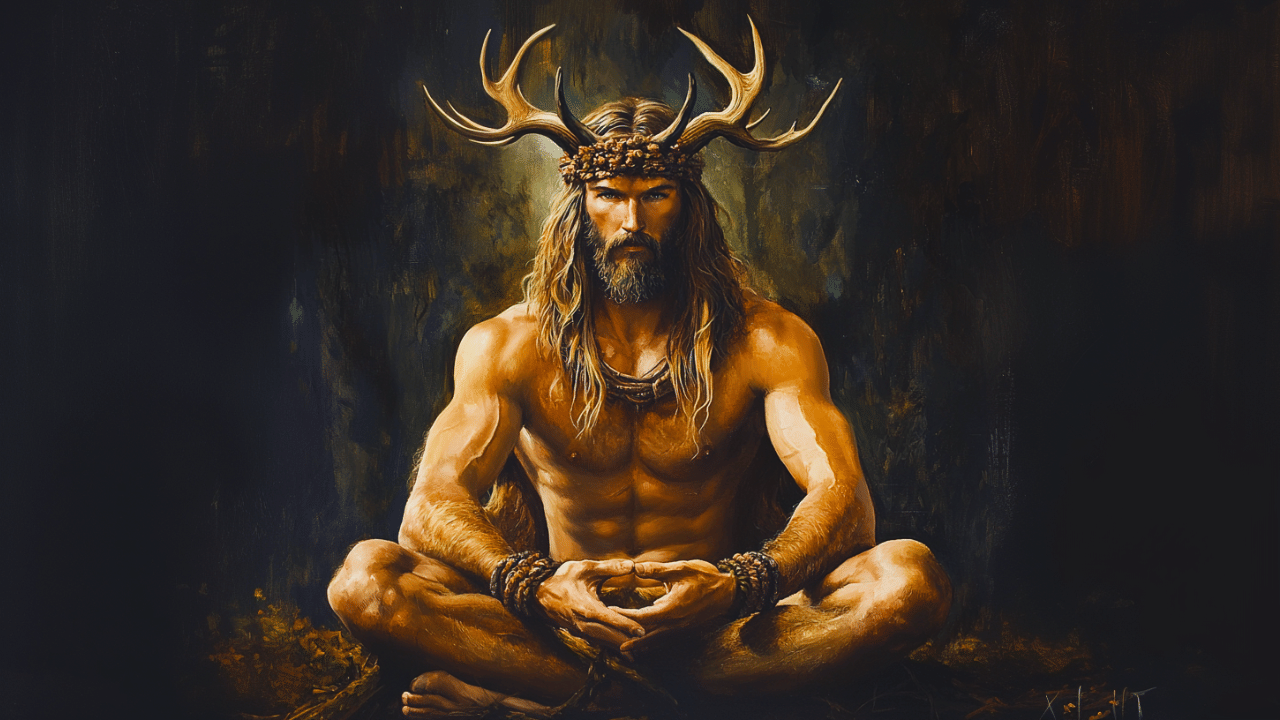
Cernunnos: The Antler-Crowned Lord of the Earth
The Representation of Cernunnos
Cernunnos is portrayed as a man with the horns of a stag (or in some traditions, wearing an antler crown). This imagery underscores his role as a deity of nature and wilderness. In ancient depictions, he often holds a torc in one hand, a symbol of power and nobility, and a pouch or bag in the other, which is commonly interpreted as a carrier of fertility and abundance.
The horned figure has been discovered in various archaeological sites, including the famous Gundestrup Cauldron, a remarkable silver vessel in Denmark. This artifact illustrates several scenes, with the most prominent image being that of Cernunnos surrounded by animals, reinforcing his role as a protector and nurturer of wildlife.
What does the Horned God symbol mean?
The Horned God symbol encompasses a range of meanings. Primarily, it symbolizes fertility and the natural cycles of life. The horns represent both virility and the power and majesty of the natural world. In ancient cultures, the figure of Cernunnos was often associated with agricultural cycles, emphasizing the importance of nature's rhythm.
The Antler Crown is also seen as a representation of enlightenment, as they point skyward. This suggests a connection to higher realms and spirituality. Cernunnos stands at the crossroads of the terrestrial and celestial, serving as a guide for those seeking knowledge and understanding.
The duality of life and death is another reflection of the Horned God symbol. Cernunnos symbolizes the eternal cycle of existence, where death leads to rebirth and renewal. This theme is prevalent in many cultures, emphasizing the importance of balance in nature.
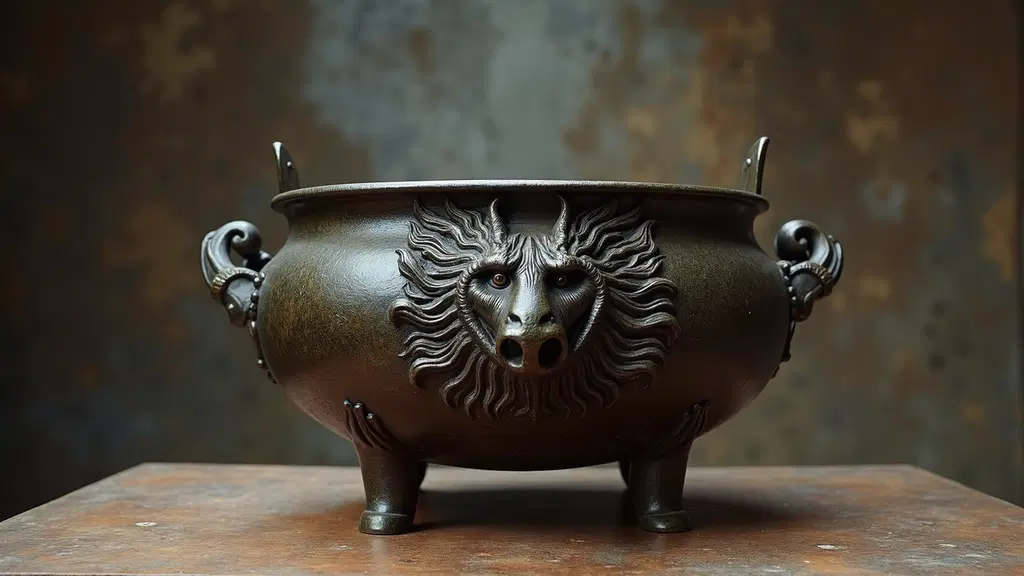
The Gundestrup Cauldron showcases the antlered god surrounded by nature.
Cernunnos in Modern Culture
Cernunnos continues to influence modern culture and spirituality. In contemporary pagan practices and Wicca, Cernunnos serves as a vital deity for many. He is venerated during rituals that seek to honor nature, fertility, and the essence of life itself.
Various artists and writers have drawn inspiration from Cernunnos. In literature, he often appears as a representation of primal and untamed nature. His image is frequently used in modern artworks and fashion, symbolizing the chase for individuality and connection to the earth.
His symbolism is not only limited to spirituality but has seeped into popular culture. From movies to music, the horned figure is often depicted to convey themes of nature, growth, and the mystique of the unknown, capturing the imagination of audiences worldwide.
Understanding Cernunnos Symbolism
Exploring the intricacies of Cernunnos' symbolism can provide profound insights into our relationship with nature. The representation of Cernunnos as a guardian of the natural world reminds us of our connection to the environment.
Recognizing the meanings behind Cernunnos' symbols can inspire us to respect nature and its cycles. For those interested in exploring “cernunnos symbolism,” resources that delve deeper into his mythology and relevance in today’s spiritual practices are available.
Incorporating Cernunnos' symbols into personal or community practices can foster a greater appreciation for the earth. Activities such as planting trees, creating wildlife habitats, or engaging in ceremonies that honor the natural world can help us nurture our bond with nature.
By actively appreciating the symbols associated with Cernunnos, we can contribute to a more sustainable and harmonious existence, echoing the ancient wisdom of this horned deity.
Cernunnos' symbols represent more than just a historical figure; they remind us of our connection to nature and the cycles of life. Understanding this rich history can deepen our appreciation for the natural world and inspire us to engage with it mindfully. As we explore and honor these symbols, we embrace the lessons they offer, paving the way for a more sustainable future.